Invasive Species

Photo credit: Earl Chilton, TPWD.

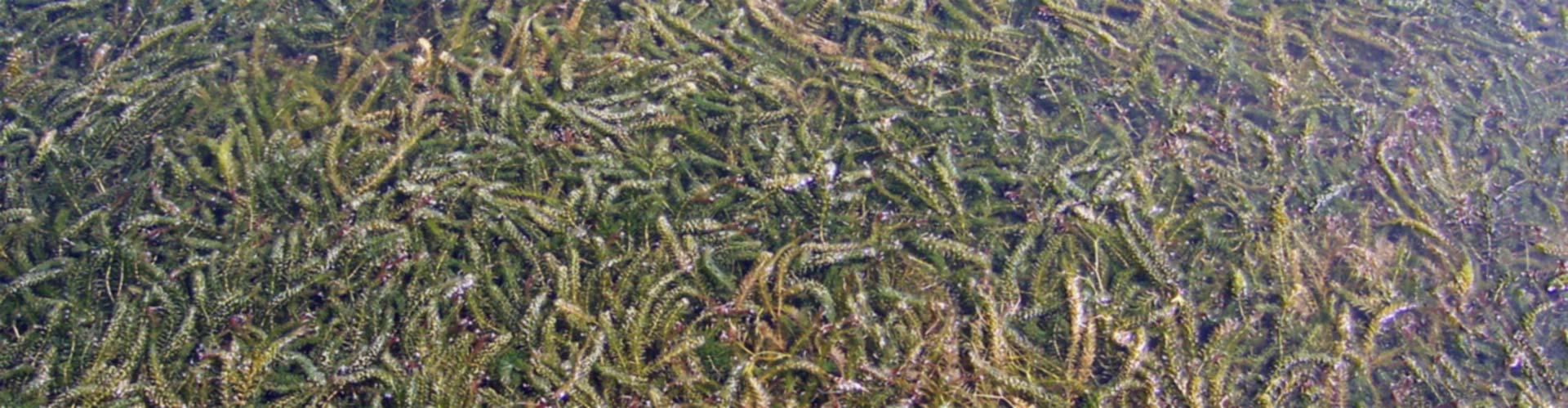
Exotic species are species of plants, animals and microorganisms that are transported to the Galveston Bay Watershed from other parts of the world. These exotic species did not evolve here and therefor, lack the predators, parasites and diseases that keep their populations under control in their native ranges. Exotic species are recognized as being invasive […]
Continue reading


Water pH

Photo Credit: Chris Kuhlman

Water or is measured by . The lower the pH, the higher the acidity. Since Galveston Bay’s pH is determined by the mixing of saltwater from the Gulf of Mexico and freshwater from rivers and bayous in the watershed, changes in either source can have an impact. The pH values in the Bay are maintaining […]

Continue reading


Water Temperature

Photo Credit: Anja Borski

Winter water temperatures represent the lower range of temperatures that plants and animals endure in order to live in the Bay. As changes in climate impact water temperatures, species of plants and animals move into new areas where they were not previously found. The Bay’s winter water temperatures for December to February have returned to […]

Continue reading


Sea Level

Photo Credit: Galveston Bay Foundation

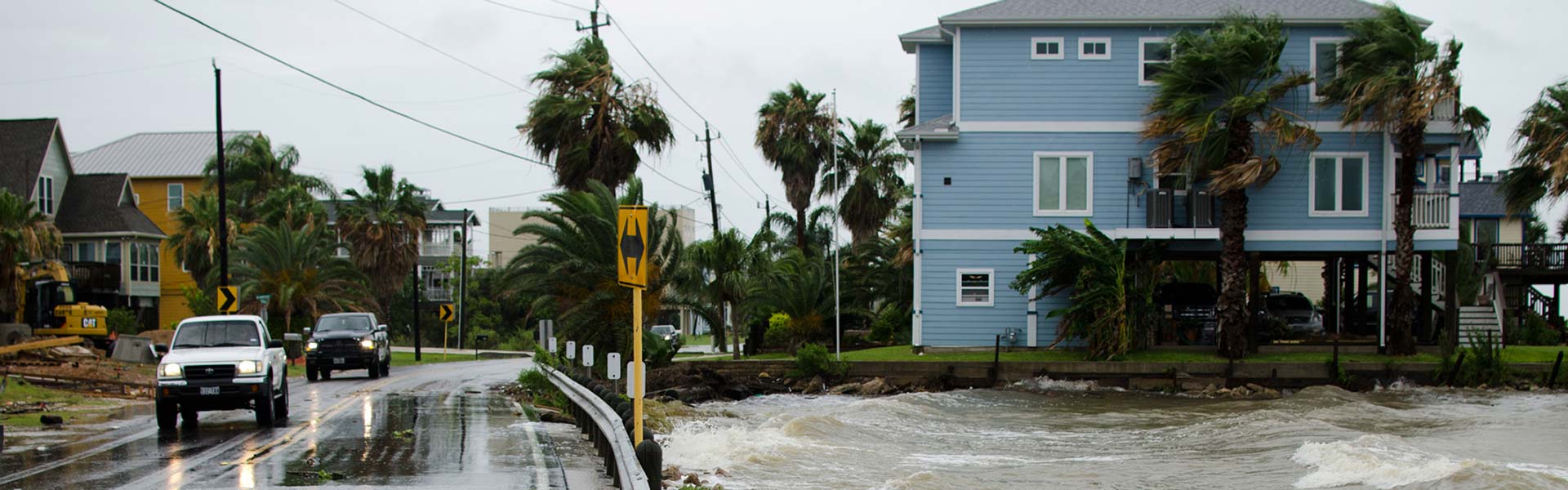
Relative is the combination of subsidence and rising ocean levels. Rising sea levels affect vital coastal habitats, as well as human communities. Galveston Bay’s long history of sea level rise, , , and flooding, makes sea level an issue of critical concern. The grade for sea level rise continues to be an F. On average, […]

Continue reading


Freshwater Inflows

Bays and estuaries are bodies of water where freshwater and marine environments mix. The Bay’s ecosystem depends on freshwater flowing downstream from rivers, bayous, and creeks. The amount and timing of freshwater inflows are directly related to , the availability of nutrients to fuel the food web, and the availability of that supports Bay habitats. […]

Continue reading


Recreation

Photo Credit: Anja Borski

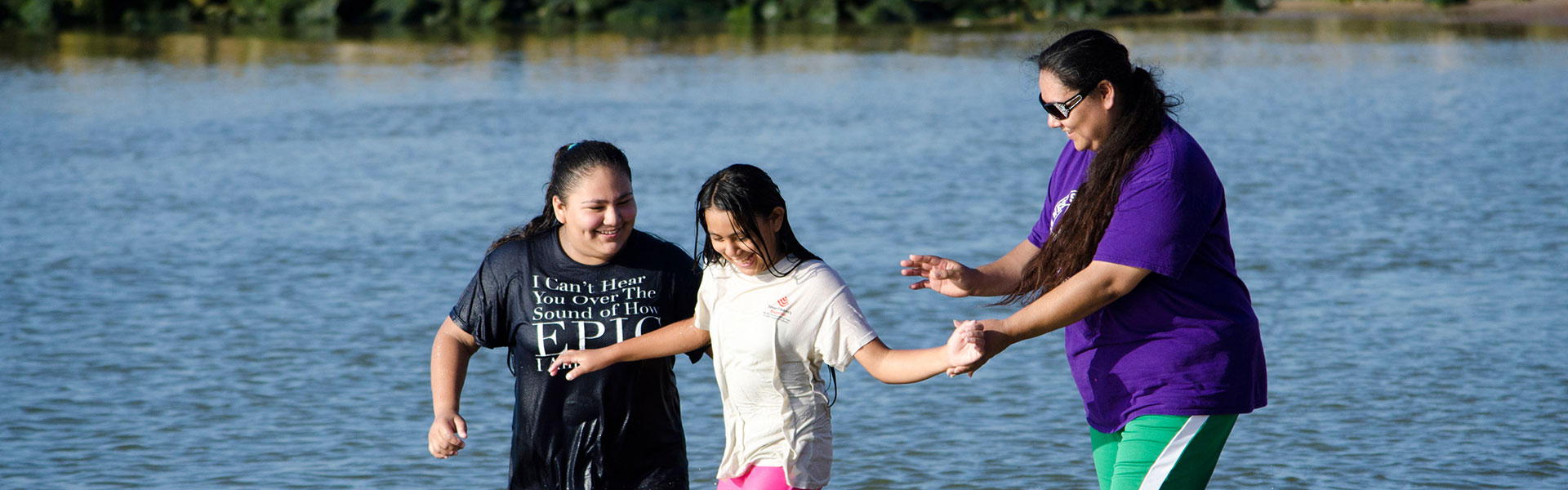
Many of our region’s bayous have little natural flow. That means the water you see in area bayous originates as rainfall runoff from the land or discharges from wastewater treatment plants. With the high number of people, livestock, and pets living in the area, and an aging sewage infrastructure, bacteria and viruses from humans and […]

Continue reading


Seafood Consumption

Photo Credit: Galveston Bay Foundation

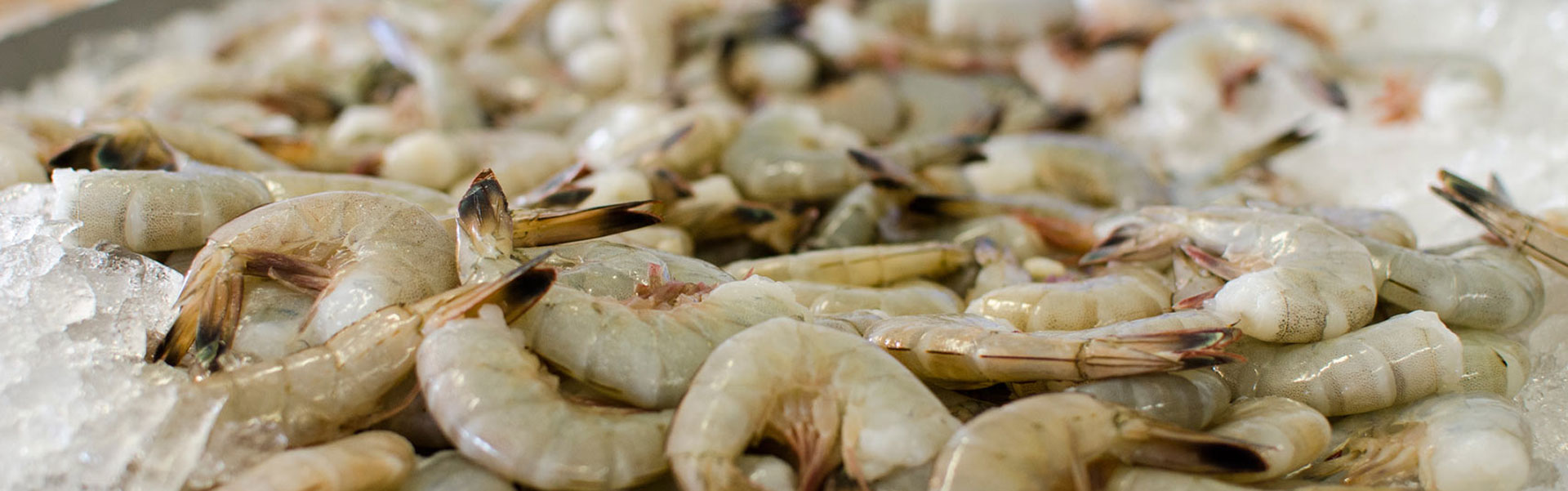
Galveston Bay’s commercial seafood fishery is the most productive of all the bays in Texas, contributing more than 40% of the Texas annual commercial harvest. While Seafood Consumption Advisories for fish captured in the Houston Ship Channel and Galveston Bay do exist in some areas, the vast majority of seafood harvested from the Bay is safe […]

Continue reading


Oyster Reefs

Photo Credit: Chris Kuhlman

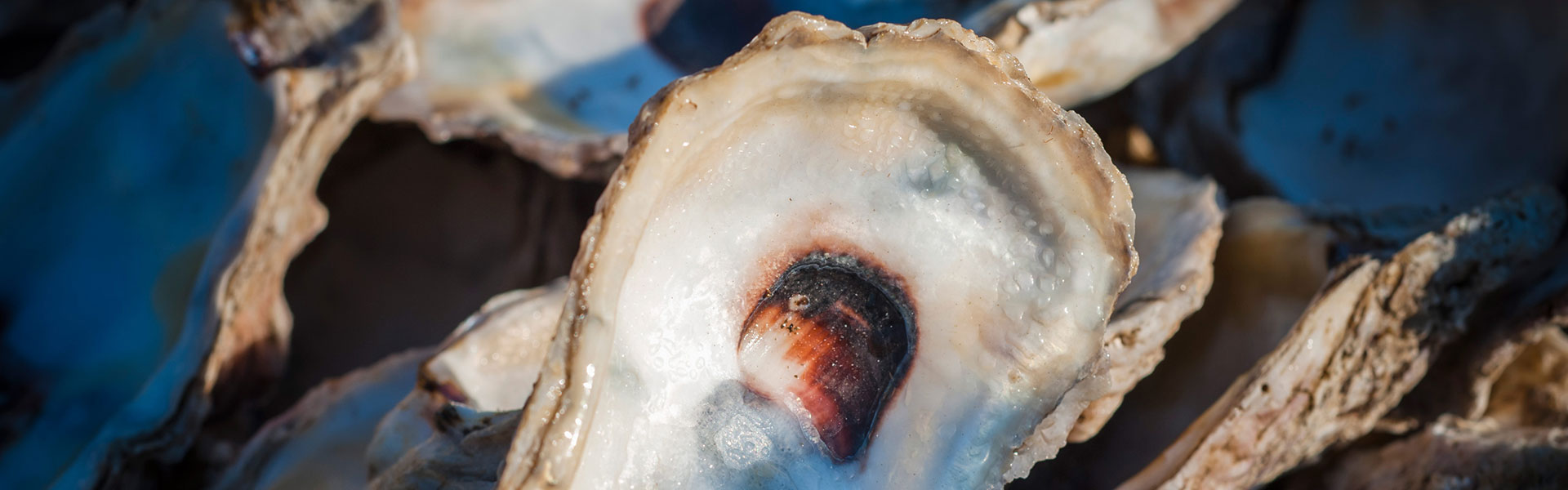
Oysters filter and contaminants from Galveston Bay, improving water quality and clarity. Oysters are also an important fishery. The Bay’s oyster reefs, home to the oysters and a variety of other animals, have significantly declined over time due to the historical overharvesting of oyster shells, the damaging of Hurricane Ike in 2008, drought, fishing pressure, […]

Continue reading


Underwater Grasses

Photo Credit: Anja Borski

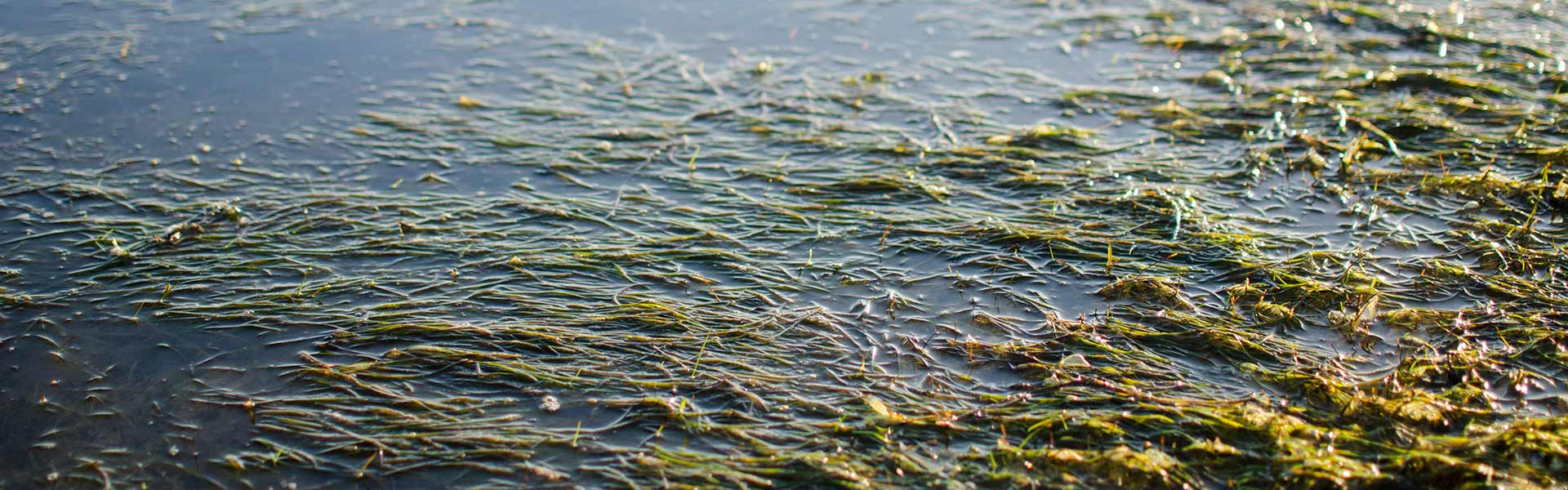
Underwater grasses grow in shallow, clear water where light can penetrate and allow the grass to perform . Underwater grasses provide an important habitat for juvenile species of fish and shellfish. Despite some areas of recovery, the amount of seagrass in the Bay has been significantly reduced by poor water clarity, changes, and . Underwater, […]

Continue reading


Wetlands

Photo Credit: Anja Borski

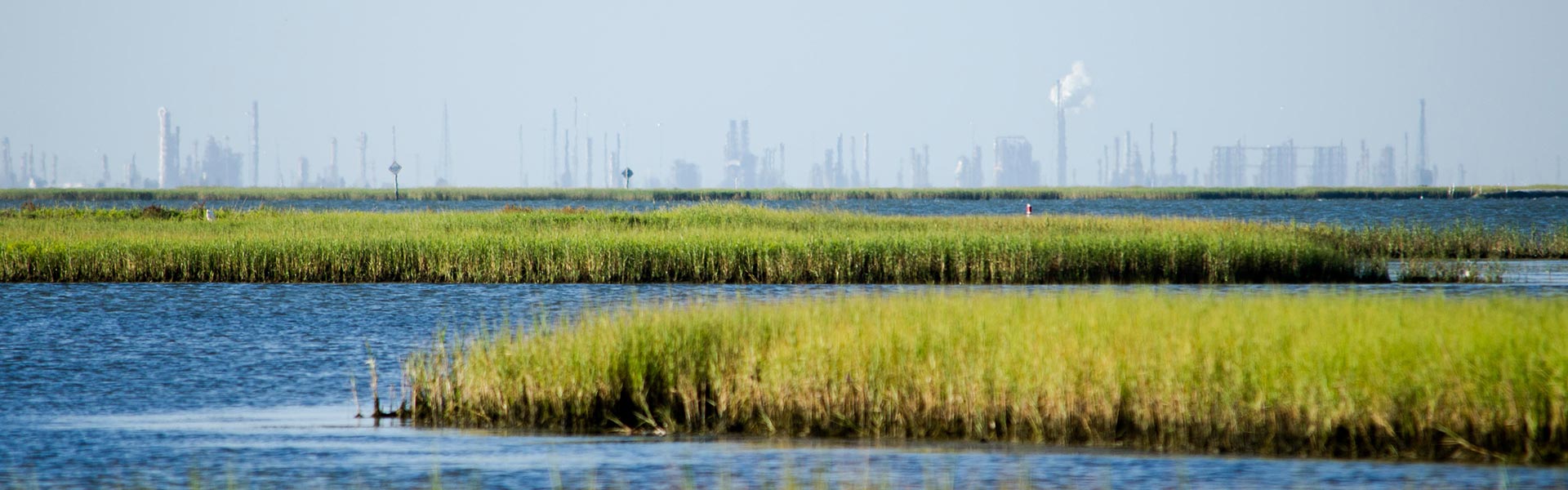
Wetlands are often found at the transition between land and aquatic environments. They filter , serve as a buffer for tides and , and reduce . Saltwater wetlands are protected by the Clean Water Act and acreage of this wetland type has increased slightly as of 2016. Many freshwater wetlands remain largely unprotected from development […]

Continue reading