Birds

Photo Credit: Irene Quiroga

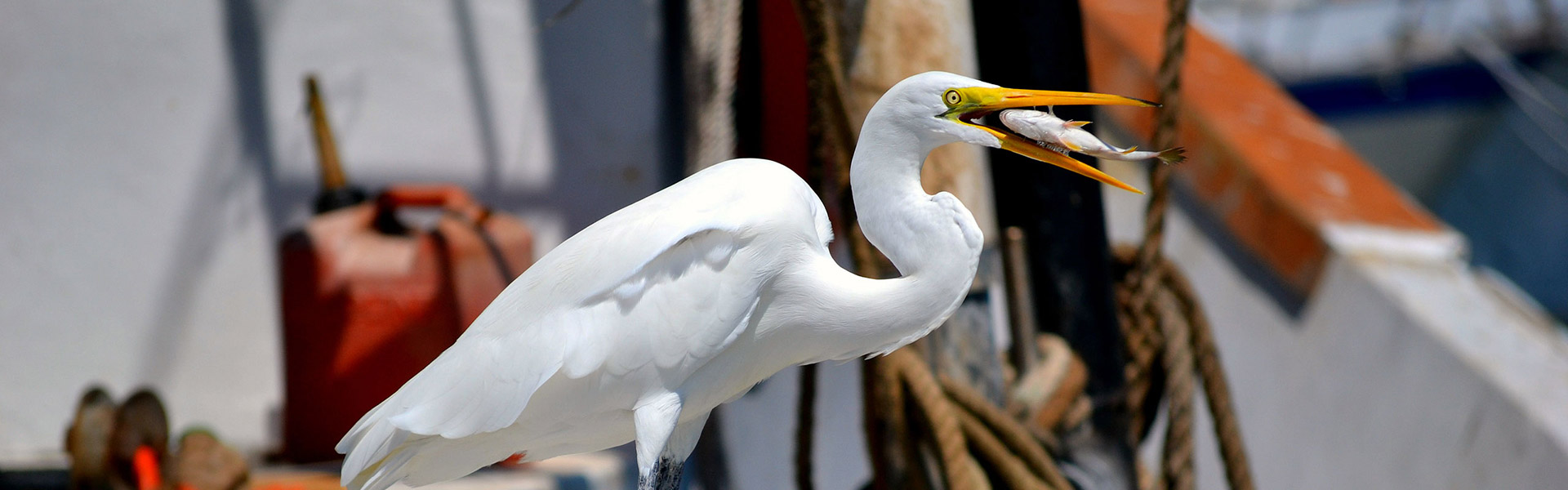
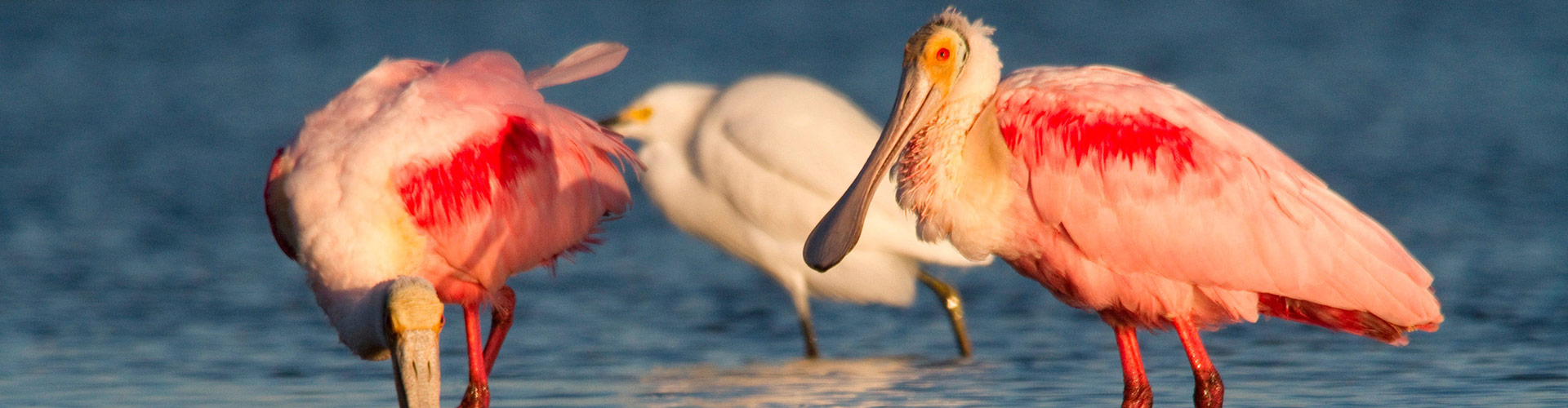
Birds depend on high-quality nesting and feeding habitat to thrive, making them an excellent indicator of the Bay’s health. After near extinction in the 1960s, the brown pelican population in Galveston Bay has rebounded due to a reduction in the use of harmful pesticides such as . Since 2006, most bird populations have been holding […]
Continue reading


Finfish

iStock.com_SteveClever

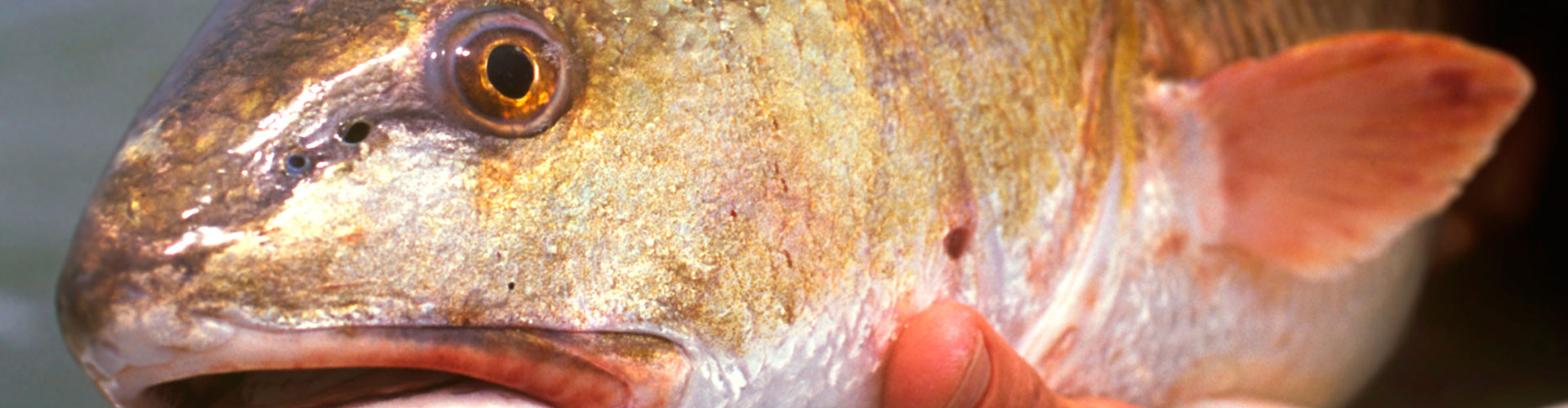
More than 100 species of finfish can be found in the Galveston Bay ecosystem. Finfish are also the base of a significant recreational . Surveys of finfish indicate that most populations have been consistent since 2006, earning finfish a C. Populations of 10 species analyzed are maintaining, while Black drum and Sheepshead improved from a […]

Continue reading


Shellfish

Photo Credit: Steve Ford

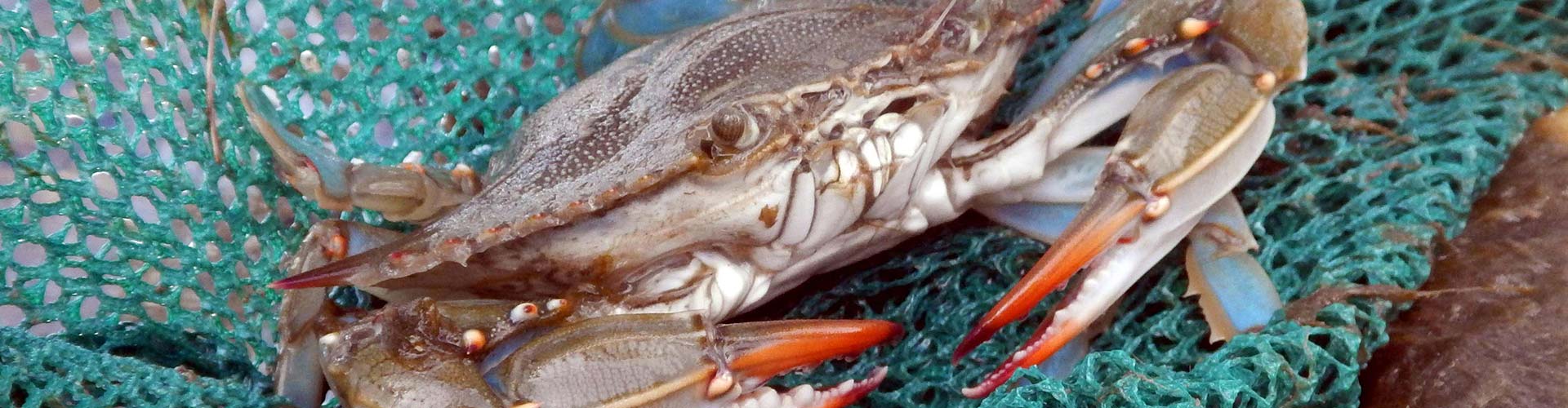
Trends in shrimp and crab populations can serve as indicators of the quality and quantity of suitable habitat, as well as of food availability. Blue crabs, two species of shrimp (brown and white), and oysters are analyzed for the report card. Blue crab populations in Galveston Bay appear to have stabilized, earning a grade of […]

Continue reading


Litter and Trash

Photo Credit: Chris Kuhlman

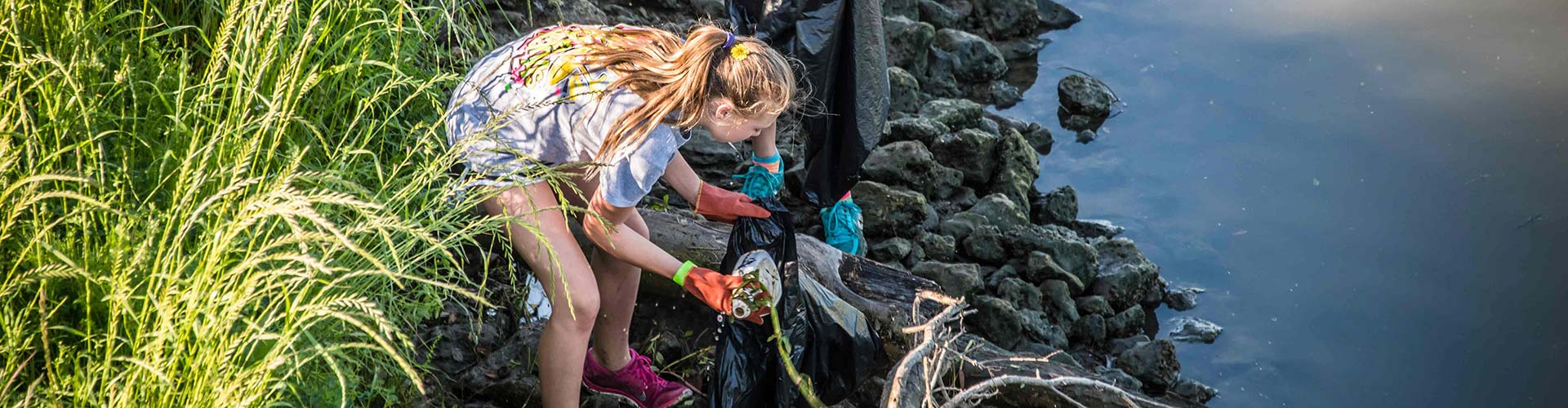
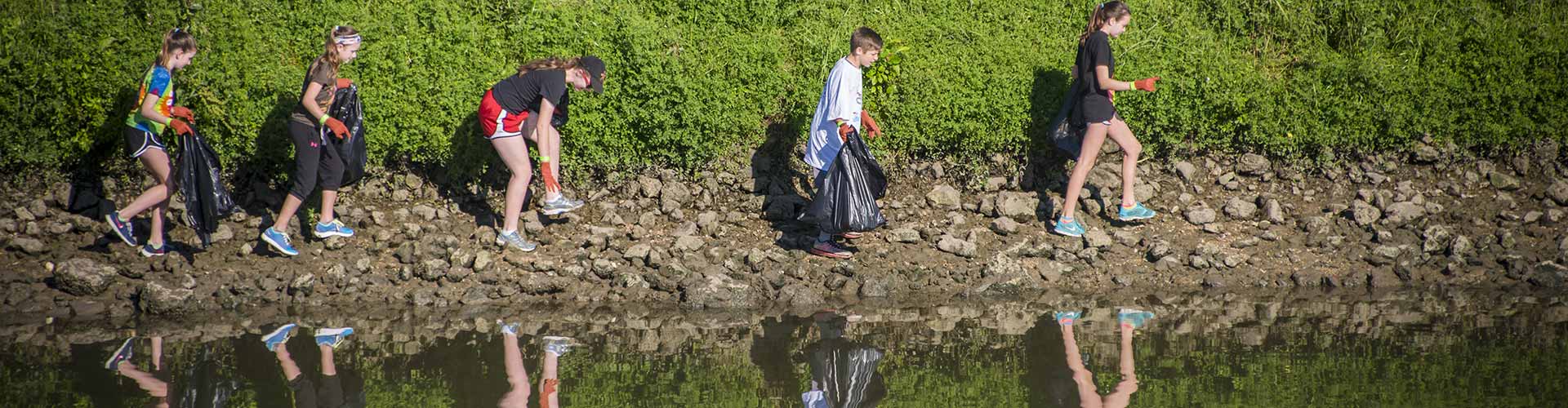
Trash is an abundant pollutant in the Bay. Plastics are particularly harmful to animals that ingest them, causing , and even death. Although litter and trash are widely identified as serious problems for Galveston Bay and its , there is no systematic Bay-wide monitoring to reduce this kind of pollution. Assessments determining litter introduction pathways […]

Continue reading


Oil Spills

Photo Credit: Stephen Lehmann

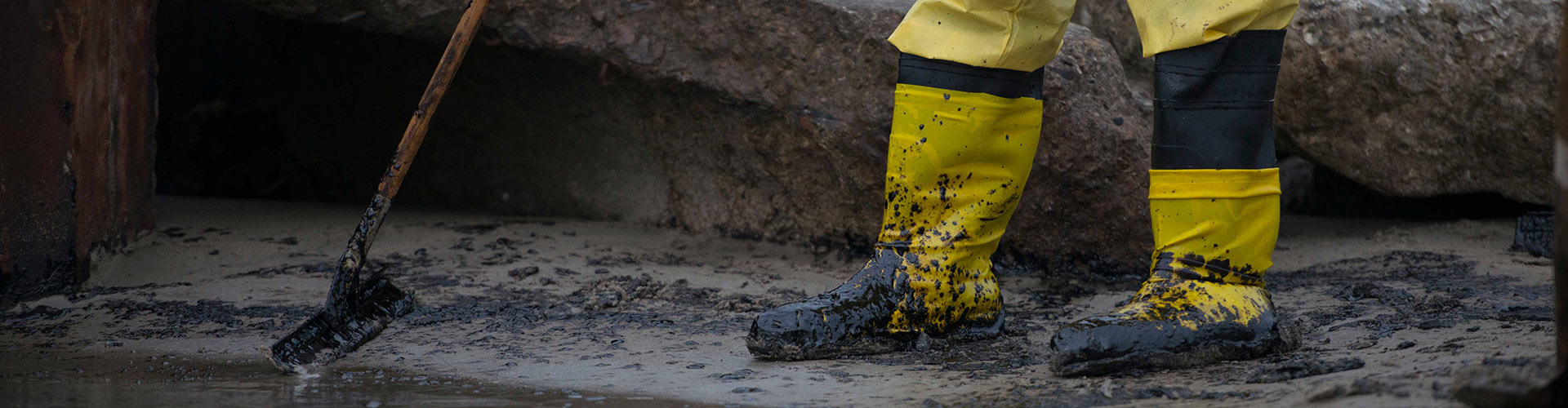
Texas’ Oil Spill Prevention and Response program is world-renowned for its proactive and preventive initiatives to keep oil out of our water. However, on average, 187 oil spills have still been reported every year in Galveston Bay since 2009. Most spills are small—less than five gallons—while some are larger. The total number of spills is […]

Continue reading


Toxins in Sediment

Photo Credit: Katie Gillis

Toxic chemicals pose a threat to our health and the health of the Bay and have led to the establishment of Seafood Consumption Advisories. Monitoring programs gather data describing toxins in sediments of Galveston Bay and the Houston Ship Channel, where elevated concentrations of metals such as , , and (PAHs) are found in the […]

Continue reading


Dissolved Oxygen

Photo Credit: Chris Kuhlman, CK Productions

Just as people need oxygen to breathe, adequate oxygen levels in water are required to support aquatic life in Galveston Bay and area bayous. (low-oxygen) and (no-oxygen) zones are common after large algae blooms in water that is warm, still, and has poor clarity. (bottom-dwelling) organisms can’t escape or survive in hypoxic conditions. In 2023, […]

Continue reading


Phosphorus

Photo Credit: Galveston Bay Foundation

, like nitrogen, is a nutrient that stimulates plant growth. But too many nutrients can lead to algae blooms, which can deplete oxygen in the water and kill aquatic life. In 2023, five percent of phosphorus concentrations were above state screening levels in samples collected from Galveston Bay, and 30 percent of samples collected from […]

Continue reading


How We Grade

Photo Credit: Denise Bourbeau

The goal of the Federal Clean Water Act of 1972 is to make the nation’s waters swimmable and fishable. That goal was our guideline in measuring the indicators for this report card. In this project, the Bay’s health is perceived as a question of and : Do the indicator trends portray a Bay that will […]

Continue reading


About This Project

Photo Credit: Galveston Bay Foundation

The Galveston Bay Report Card is a citizen-driven, scientific analysis of the health of Galveston Bay. Implemented by the Houston Advanced Research Center (HARC) and the Galveston Bay Foundation (GBF), the report card’s goal is to engage community members in meaningful discussion about Bay health topics. The report card is designed to inspire people to take actions […]

Continue reading